Picture Source: (Brooks, 2020)
What do you think of when you think of Colorado? Most people think of Denver–the Mile-High City, athletic training, skiing, and the pristine peaks of Aspen. Colorado is progressive in many areas including in its approach to treating Opioid Use Disorder.
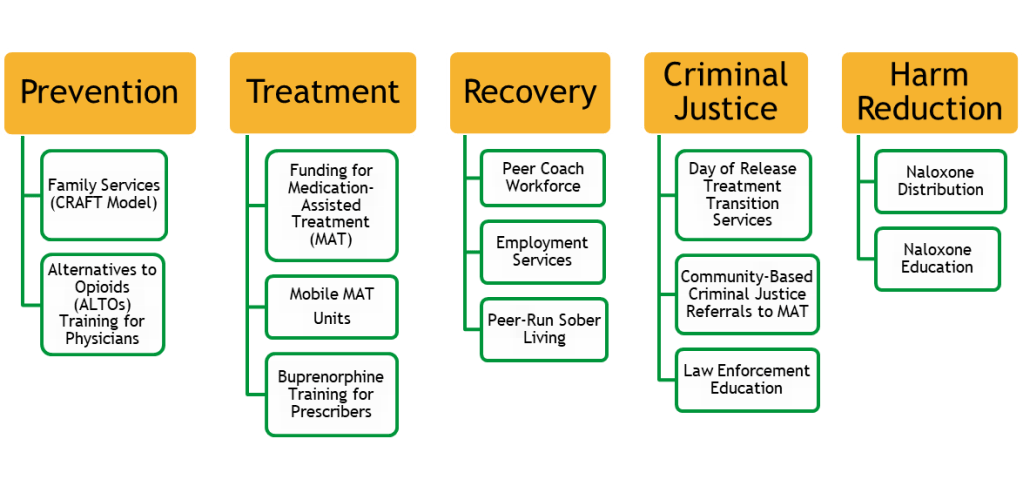
Several aspects of their program impressed me. For one, it’s multidisciplinary, takes into account the social determinants of health, provides a structured and dynamic approach to family support, improves access to care, educates medical professionals on Opioid use reduction, and campaigns to reduce stigma in healthcare and the community. As an occupational therapy practitioner, I love that it provides alternative to medicine pain management through access to occupational therapy, physical therapy, and mental health support services.
One of the challenges in the Opioid Crisis is the lack of primary care doctors trained in the administration and monitoring of Medication Assisted Treatment (MAT) or the prescription of Buprenorphine and Methadone to manage withdrawal symptoms. Colorado has created a multitiered approach to fixing this problem by not only offering training programs but also removing barriers to participation. Doctors and their support staff are offered the training free of charge as well as a financial incentive to participate. This program recognizes that one of the barriers to participation is the 8-hour required continuing education imposed by the DEA. It also accounts, and attempts to correct, the loss of income for a clinician’s time.
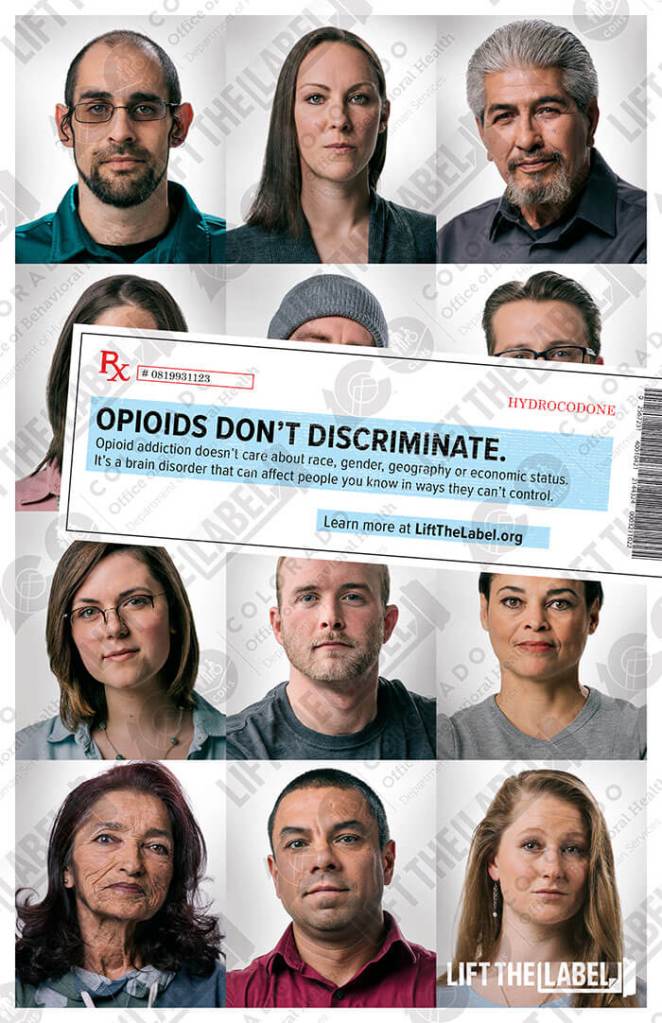
Another highlight of Colorado’s approach is stigma reduction. Lift the Label is program that provides testimony from patients about their experience. It seeks to educate the public and professionals on the realities of this crisis and why judgement equates to blaming the victim. The program also provides a structured training module for clinicians and healthcare facilities to educate their staff about this patient population without judgement and biases. Their community outreach includes the Recovery Cards Project, a collaboration between artists and people in recovery to celebrate and support recovery. Anyone can order free gift cards to be sent to someone struggling or in need of support.
No recovery would be complete without the proper support to help persons in recovery find shelter, work, and community support. Colorado offers services that include worker retraining, sober-homes, and peer coaching support.
Colorado started this structured approach in 2017-18. I am cheering for their success. It is one of the best whole-person models I have come across in the U.S. It was made possible by Medicaid extension and grants from SAMHA and other organizations. The Colorado Opioid Recovery story is still in progress but one I will be following closely.
Sources:
Colorado Department of Human Services. (2019, October 30). Colorado State Targeted Response to the Opioid Crisis. Retrieved from https://www.colorado.gov/pacific/cdhs/colorado-state-targeted-response-opioid-crisis
Lift the Label. (2020). Recovery cards project. Retrieved from https://recoverycardsproject.com/
Recovery Cards Project. (2020). Retrieved from https://recoverycardsproject.com/
Colorado Signage Picture credit: Malachi Brooks on Unsplash

 Alexa's Global Health Blog
1 Comment